The Science Behind EMS in Australia: How Muscles Respond to Electrical Stimulation
20 April, 2026
The fitness industry has been evolving in recent years, with various forms of training emerging. Pilates is one of them, and EMS in Australia has also seen a rapid rise in popularity, especially among busy moms and time-poor clients who are looking for efficient training solutions that fit into their schedules and deliver faster results. EMS Fitness in Australia promises exactly that.
To understand the benefits of Electrical Muscle Stimulation training in Australia, it is important to first understand the science behind it and how it activates muscles.
In this blog, we’ll explore how EMS training works, the science behind it, and the physiology of muscle contraction and calorie burn, helping you understand why EMS workouts in Australia are gaining traction in modern fitness.
What Is EMS?
Electric Muscle Stimulation (EMS) is a technology that allows you to perform a full-body workout in just 20 minutes. The technology uses low-frequency electrical impulses to stimulate muscle contraction.
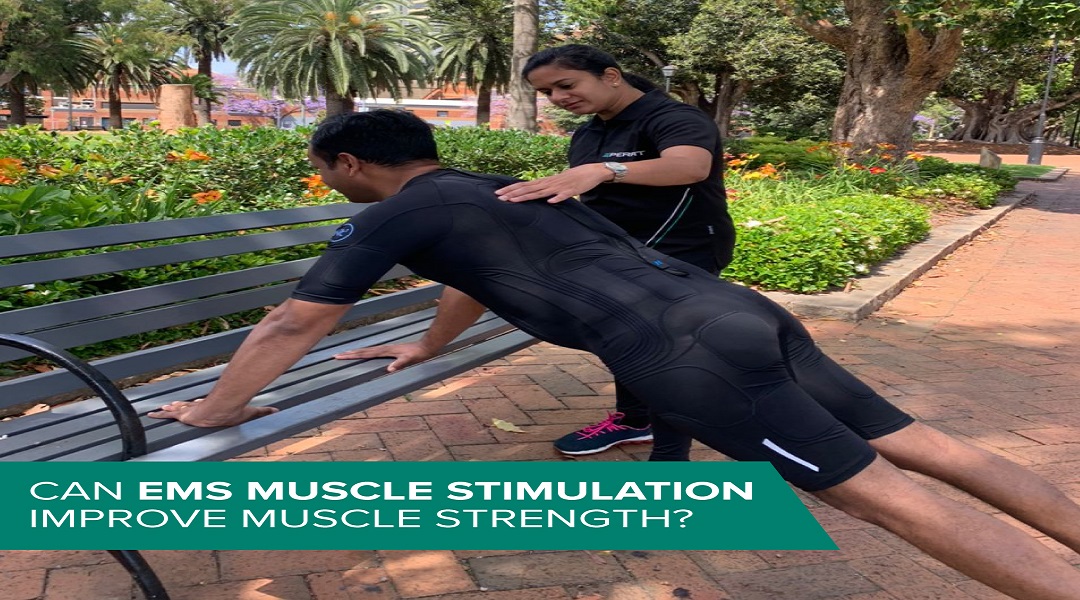
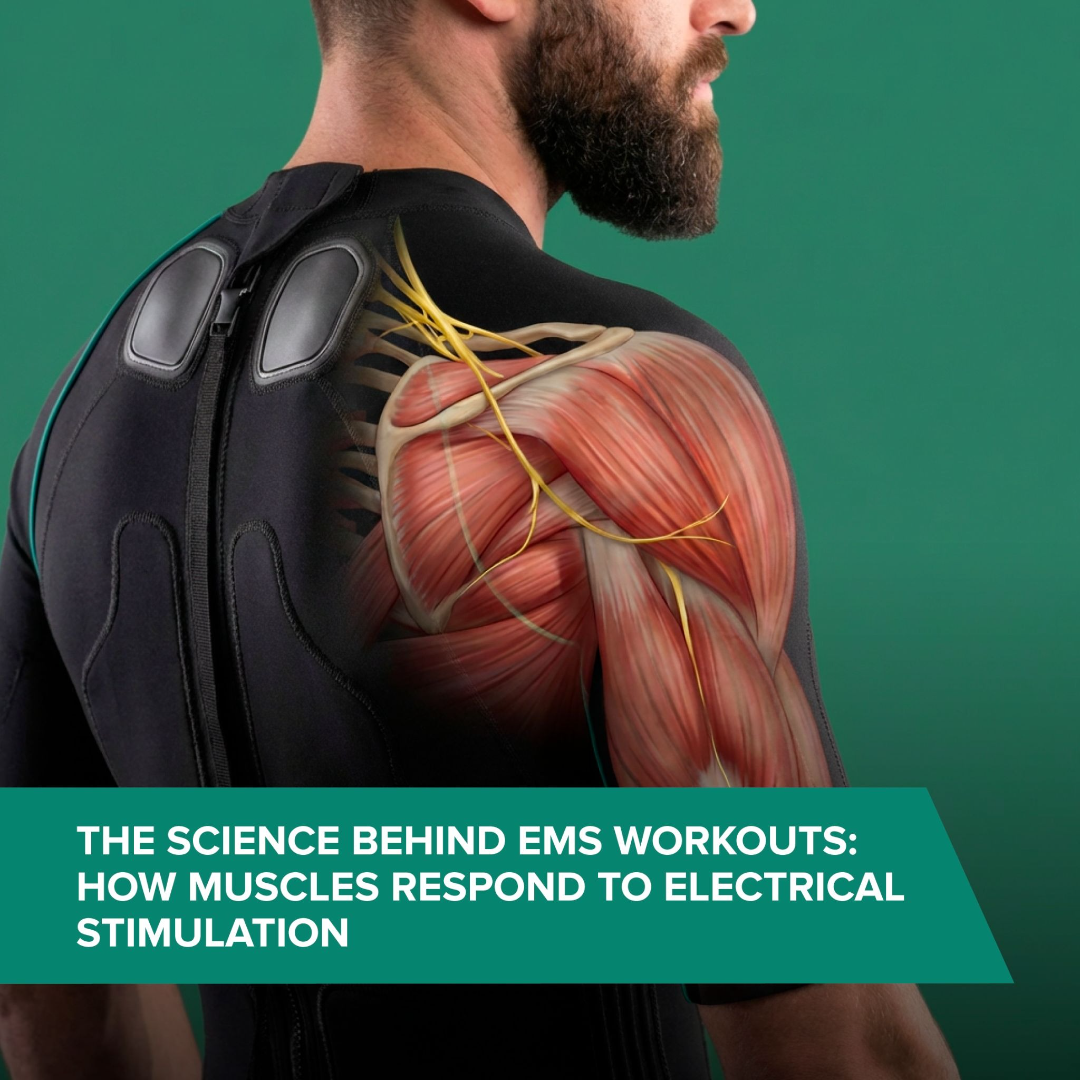
During an EMS session, you wear a specialised suit fitted with electrodes or pads that cover all the major muscle groups, including the chest, upper back, mid back, lower back, arms, core, quads, glutes and hamstrings. These electrodes send impulses that activate the muscles while you perform simple exercises.
One of the key benefits of EMS training is that the muscle activation in each area of the suit can be individually controlled by the trainer. This allows the session to be tailored and personalised to each client’s needs, fitness level, and goals.
This full-body activation is what makes EMS fitness in Australia such a popular option for people looking for an efficient and effective training method.
How Muscles Normally Contract
Understanding how our muscles contract can help us understand how EMS Australia works.
During regular workouts or even everyday activities, the brain sends signals through the nervous system to the muscle fibres, causing the muscle to contract and produce movement. This process is called a voluntary muscle contraction and involves a complex communication between the brain, spinal cord, and muscles.
Normally, the body recruits muscle fibres gradually. Smaller fibres are activated first, followed by larger fibres when the effort becomes more intense. This happens because the body tries to conserve energy. However, this natural process can limit how many muscle fibres are activated at the same time during traditional workouts.
How EMS Stimulates Muscle Contraction
During an EMS workout in Australia, the electrical impulses mimic the signals that the central nervous system normally sends during voluntary movement. The key difference is that EMS can activate multiple muscle groups simultaneously and reach deeper muscle fibres compared to traditional workouts.
When wearing the EMS suit, the electrical signals partially bypass the brain’s usual role in initiating muscle contractions. Instead of the brain sending the signal first, the impulses are delivered directly to the motor nerves through electrodes placed on the skin, which then cause the muscles to contract.
In an EMS workout in Australia, voluntary and involuntary muscle contractions occur at the same time. This combination can lead to greater muscle fibre recruitment compared to conventional exercise.
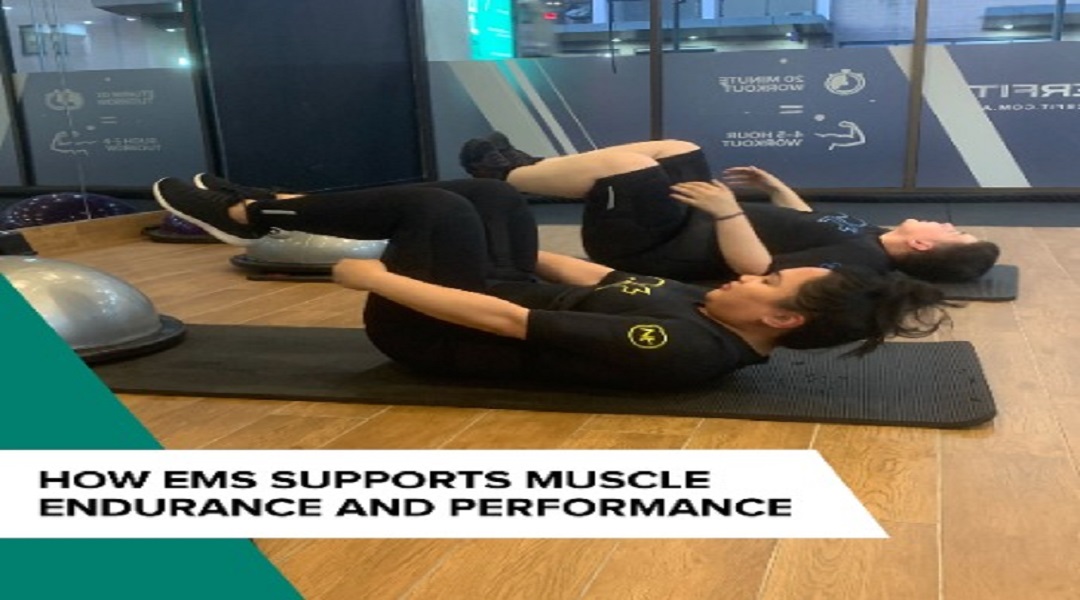
With EMS fitness Australia, the stimulation happens while performing simple functional bodyweight exercises such as squats, lunges, core exercises and upper-body movement. This combination of electrical stimulation and physical movement helps create a highly efficient full-body workout.
Muscle Fibre Activation Explained
In the human body, there are two main types of muscle fibres: Type 1 or slow-twitch fibres and Type 2 or fast-twitch fibres.
Type 1 muscle fibres are mainly used for endurance-based activities and long-duration exercise, such as running. They are highly resistant to fatigue and help sustain effort over longer periods of time. On the other hand, Type 2 muscle fibres are responsible for powerful and explosive movements. These fibres generate strength and speed but tend to fatigue more quickly.
During traditional training, slow-twitch fibres are typically activated first. Fast-twitch fibres usually engage only during high-intensity or explosive movements.
In an EMS workout in Australia, however, both types of muscle fibres can be activated simultaneously. This means a higher percentage of muscle fibres are engaged during the workout compared to conventional training.
Because of this increased muscle activation, EMS Australia is often associated with improvements in strength, muscle tone, and overall training efficiency.
The Science of Neuromuscular Activation
Neuromuscular activation is the scientific term for the mechanism behind EMS. In short, it is the process by which the nervous system signals muscles to contract.
Training can improve the efficiency of this process by enhancing the nervous system’s ability to recruit muscle fibres quickly and in coordination. One method used to stimulate neuromuscular activation is electrical muscle stimulation training in Australia, which applies external electrical impulses to the muscle.
By improving neuromuscular activation through targeted exercise or an EMS workout in Australia, individuals can enhance muscle engagement, strength development, and overall movement efficiency.
Intensity, Frequency & Impulse Settings
When we talk about Electrical Muscle Stimulation in Australia, we are referring to a personalised training experience. EMS devices allow trainers to adjust several parameters to optimise results and tailor each workout to the individual.
Trainers can control the intensity, frequency, and impulse settings. For example, intensity determines how strong the electrical impulse is; higher intensity leads to stronger resistance and more powerful muscle contractions.
Frequency refers to how often impulses are delivered per second. Different frequencies produce different training effects: low frequencies are mainly used for endurance and recovery, while moderate frequencies are typically used for strength development.
Impulse duration is another setting that trainers can control, and it determines how long each stimulation lasts.
During an EMS Workout in Australia, trainers carefully adjust these settings to ensure the best possible results for each individual.
Calorie Burn & Metabolic Response
One of the reasons EMS in Australia is widely adopted by many individuals and fitness centres is its metabolic impact and effect on weight management.
By activating multiple muscle groups simultaneously, the body requires more energy during both training and recovery, which increases calorie burn and metabolic rate.
In short, combining EMS fitness in Australia with balanced nutrition and regular physical activity can support fat loss goals and muscle growth.
Recovery, Circulation & Muscle Repair
Just like any type of training, recovery is very important. EMS in Australia can be used not only for training but also for recovery and rehabilitation. By using low-frequency EMS stimulation, the following benefits can be achieved:
- Increased blood circulation
- Reduced muscle soreness
- Improved nutrient delivery to muscle tissue and faster recovery after intense workouts, as improved circulation helps remove lactic acid, which contributes to quicker muscle recovery.
This is why many athletes integrate EMS into their training and recovery routines.
FAQ: EMS Training
Does EMS really build muscle?
Yes, EMS training can lead to muscle growth by stimulating multiple muscle fibres at once.
At 20PerFit, we combine EMS Workouts with resistance training and functional exercises, which increase muscle activation and improve strength and muscle tone.
Is EMS scientifically proven?
Yes, Electrical Muscle Stimulation has been studied for decades and is widely used in sports science, rehabilitation, and by physiotherapists. Many articles and studies have explored the benefits of EMS Training, showing that it can improve muscle growth, strength and neuromuscular coordination.
How does EMS differ from natural workouts?
EMS workouts typically follow the same natural muscle contractions as a traditional workout, but they are amplified, acting as a boost to muscle activation.
In a traditional workout, the brain sends a signal to activate the muscles. With EMS, an additional electrical stimulation is applied to the motor nerves, which leads to higher muscle recruitment.
The science behind EMS in Australia shows that electrical muscle stimulation is more than just a fitness trend; it is a scientifically supported training method that enhances muscle activation and efficiency.
When combined with functional workouts, EMS fitness Australia programs offer a time-efficient approach to strength training and weight loss.
If you are short on time or recovering from an injury and looking to build strength or lose fat, electrical muscle stimulation in Australia provides a modern approach to fitness that continues to grow in popularity.
As EMS workout studios and trainers expand across Australia, more people are choosing this technology to help them achieve their fitness goals. You can be one of them today by calling 1300 202073 to book a free trial.