Understanding EMS Physical Therapy in Australia for Effective Rehab, Recovery, and Pain Relief
22 December, 2025
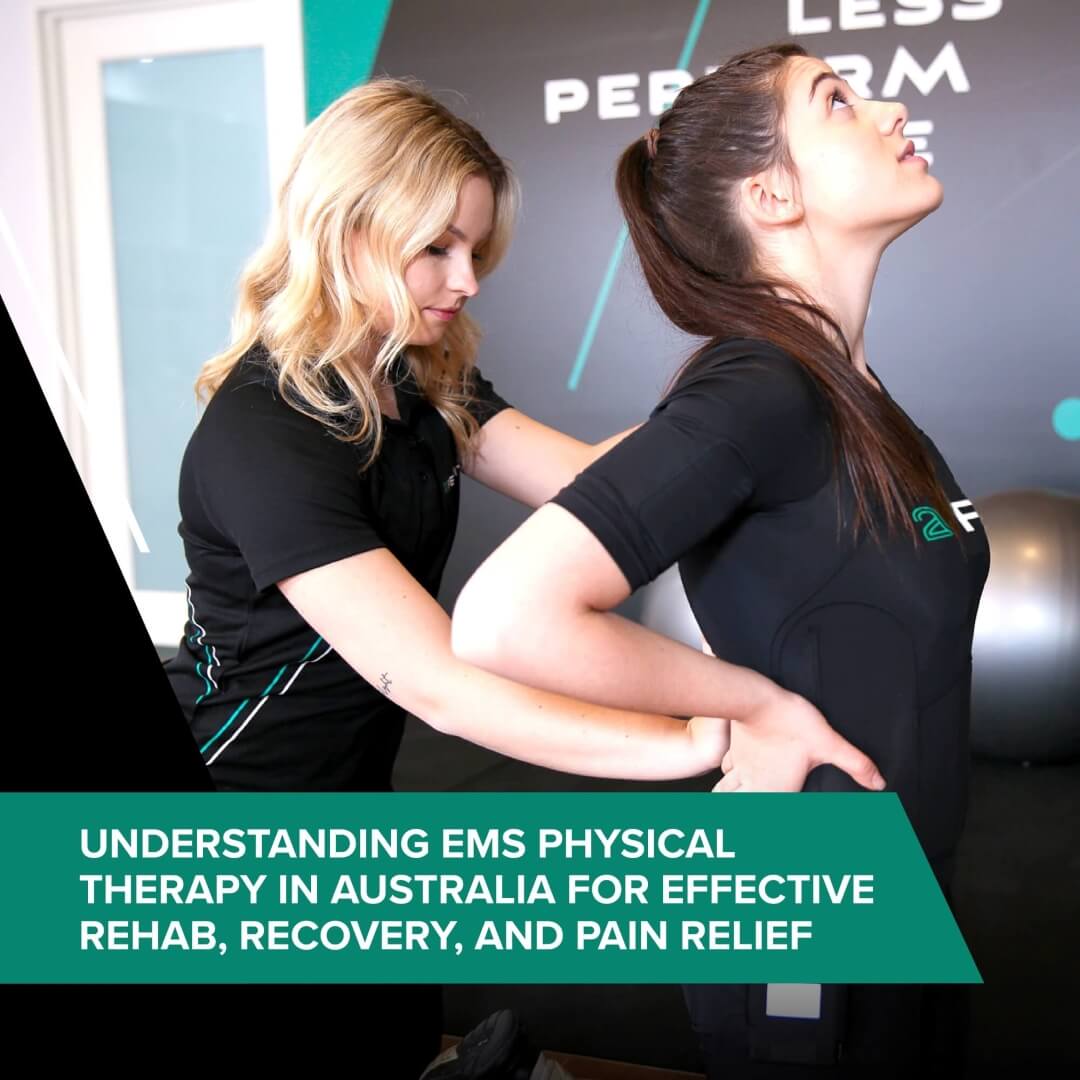
Electro Muscle Stimulation is rapidly transforming the rehabilitation landscape in Australia, but what many people don’t realise is that the concept behind EMS physical therapy isn’t entirely new. Physiotherapists across the country have been using electrical stimulation for decades, most commonly through TENS machines for pain relief.
Today’s EMS technology builds on that foundation and takes it significantly further, offering physiotherapists a powerful new tool for muscle activation, recovery, mobility, and long-term rehab outcomes.
Below, we explore how EMS has evolved, how it differs from traditional TENS therapy, and how it is unlocking new opportunities for clinics in Australia.
EMS vs TENS: Understanding the Difference
Physiotherapists have long used TENS (Transcutaneous Electrical Nerve Stimulation) devices to help patients manage acute and chronic pain.
TENS is designed to:
- Stimulate nerves
- Block pain signals
- Promote short-term relief
Modern EMS in Australia, however, goes beyond pain blocking. EMS delivers deeper, more controlled impulses to actually contract the muscles, making it an active training and rehabilitation method.
TENS
- Used for pain relief
- Works on sensory nerves
- No muscle strengthening
- Short-term relief
- Passive treatment
EMS (Electro Muscle Stimulation)
- Activates and contracts muscles
- Builds strength
- Improves mobility
- Enhances neuromuscular control
- Supports long-term rehabilitation
While both technologies use electrical currents, EMS physical therapy in Australia offers a broader scope, especially for physiotherapists focusing on recovery and functional performance.
How EMS Helps in Muscle Recovery
EMS stimulates slow- and fast-twitch fibres, even when clients can’t move well due to injury, pain, or surgery. This makes it an essential tool for:
- Rebuilding strength without heavy load
- Restoring muscle recruitment patterns
- Increasing blood flow and oxygenation
- Reducing inflammation
- Preventing muscle atrophy
EMS for Physiotherapy Clinics in Australia
Physiotherapy clinics across the country are now integrating modern EMS systems to enhance treatment outcomes. The shift is happening because EMS can do what traditional exercises sometimes cannot: activate muscles safely and precisely.
Physios are using EMS to:
- Re-engage atrophied muscles post-surgery
- Rebuild strength around injured joints
- Improve core stability in back-pain patients
- Increase mobility without strain
- Correct imbalances and compensations
EMS adds a new layer to traditional physiotherapy, allowing practitioners to achieve deeper, more targeted results in less time.
Opening New Doors for Physiotherapists in Australia
The versions of EMS available today, especially full-body wireless systems, are offering physiotherapists opportunities that older technologies like TENS simply couldn’t.
1. Early-stage activation when movement is limited
EMS can activate muscles before a client is ready for weight-bearing or dynamic rehab.
2. More effective neuromuscular re-education
This is especially important for:
- ACL rehab
- Shoulder dysfunction
- Hip and glute activation issues
- Lower back stability
- Postural correction
3. Faster transition from rehab to functional movement
Clients progress more smoothly from passive to active training.
4. Ability to target deep muscles traditional exercises miss
Especially beneficial for chronic conditions or long-term imbalances.
5. Offering modern services that differentiate Australian physio clinics
Clients increasingly want evidence-based, efficient solutions. EMS helps clinics deliver that.
In short, EMS physical therapy Australia is paving the way for a more progressive, technology-integrated model of rehabilitation.
Benefits for Injury Rehab and Mobility
EMS can support the entire rehab timeline:
- Early phase: light activation without load
- Mid phase: strengthening and stabilisation
- Late phase: full-body engagement and improved movement patterns
Physiotherapists use EMS to help clients with:
- Knee and shoulder injuries
- Hip mobility issues
- Muscle imbalance
- Tendon and ligament recovery
- Lower back rehabilitation
Clients regain mobility faster due to improved muscle recruitment and less compensatory movement.
EMS for Chronic Pain Relief
While TENS focuses purely on pain modulation, EMS offers pain relief through active mechanisms:
- Better muscle function
- Reduced spasms
- Improved posture
- Increased circulation
- Decreased pressure on joints
This makes EMS particularly valuable for:
- Chronic back pain
- Neck and shoulder tension
- Osteoarthritis
- Long-term muscular dysfunction
It delivers both pain relief and functional improvement, which is why EMS is becoming a preferred long-term solution in clinics across Australia.
Differences Between EMS for Fitness vs Therapy
It’s essential to understand the difference between an EMS workout Australia fitness studios offer and the therapeutic EMS used in rehabilitation. While both rely on electrical stimulation, they serve very different purposes.
Fitness EMS uses higher intensities and full-body activation to improve strength, muscle tone, and fat loss. Sessions typically last around 20 minutes and focus on overall health, conditioning, and performance. This style of EMS is designed to challenge the entire body at once and deliver fast, efficient workout results.
Therapeutic EMS, however, is built for recovery. It uses lower, more controlled settings and targets specific muscle groups that need rehabilitation. Instead of focusing on general fitness, therapeutic EMS aims to restore mobility, improve muscle function, reduce pain, and support injury-specific treatment. Sessions are usually shorter and follow precise protocols that help physiotherapists re-activate weakened or inhibited muscles safely.
Both methods are effective in their own way, but therapeutic EMS is specially designed for safe, controlled muscle activation during rehab, making it an invaluable tool in physiotherapy and recovery programs.
Final Thoughts
EMS is not new to Australian physiotherapists, they’ve used TENS machines for decades, but today’s EMS takes electrical therapy to an entirely new level. By combining pain relief with muscle activation, EMS Australia is enabling physiotherapists to deliver more complete, efficient, and scientifically supported recovery plans.
From rebuilding strength to supporting chronic pain patients, EMS physical therapy is helping Australians regain mobility, confidence, and long-term functional movement, one session at a time.
Ready to Bring EMS Into Your Clinic?
20PerFit is leading the way in EMS Australia, offering advanced wireless technology that allows physiotherapists to deliver safer, more targeted, and more effective rehabilitation sessions.
If you’re a physiotherapist, clinic owner, or rehab specialist looking to expand your services, EMS can open new doors for patient recovery, mobility, and long-term results.
👉 Contact us on 1300 202073 to learn how EMS can integrate into your physiotherapy practice.