What Is EMS Training in Australia? Benefits for Fitness and Muscle Recovery
19 February, 2026
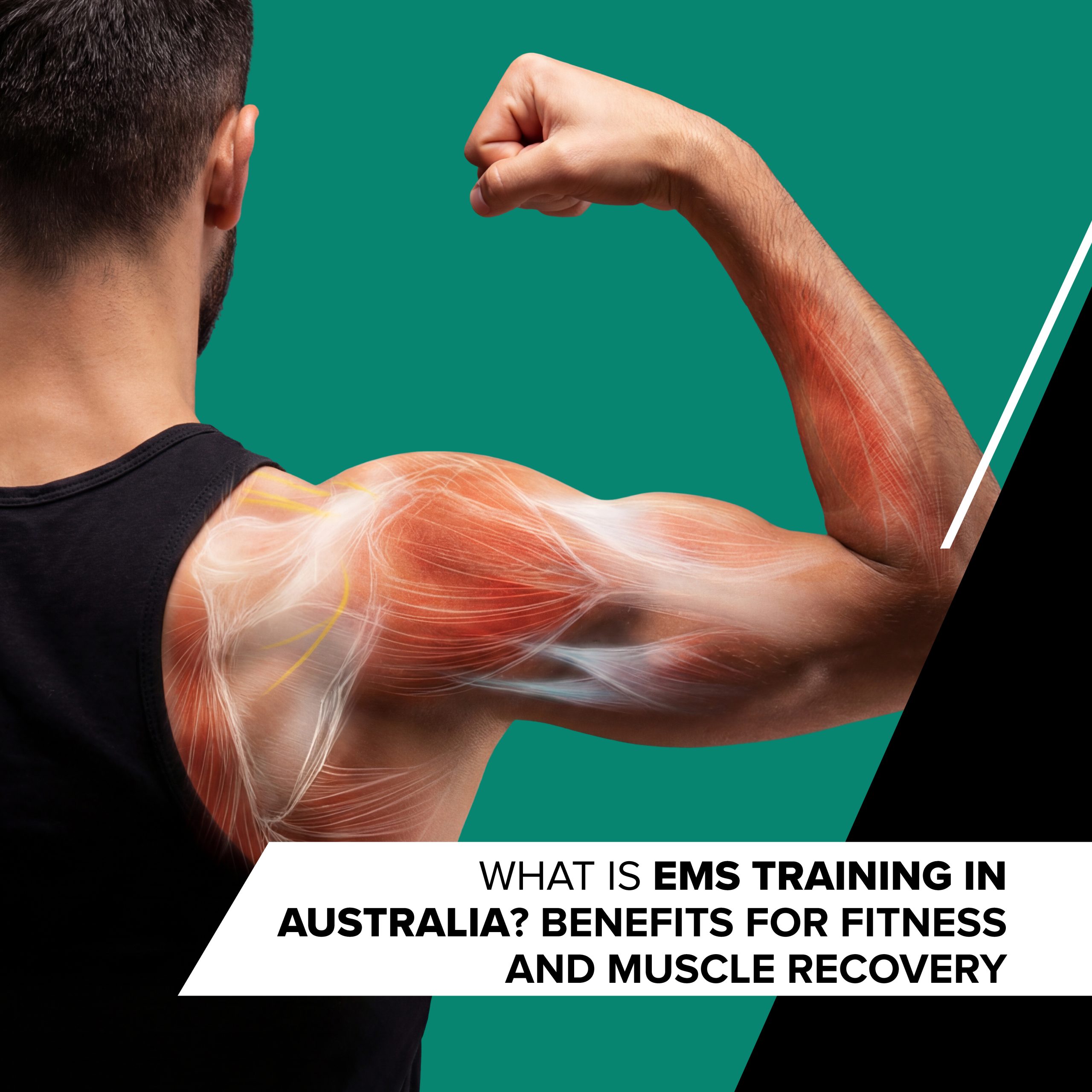
Lately, I’ve noticed more people around Australia talking about ditching their long gym routines for something completely different. EMS training-those electrical muscle stimulation workouts-seems to be everywhere lately. It’s not about slogging through hours of weights or cardio machines; it’s a sharp 20-minute session that works your entire body in ways traditional training just can’t match. Places offering EMS Australia-wide are growing fast because regular folks-working parents, busy professionals, even gym veterans-are tired of fitness that feels like a second job. They want results that fit into real life, and EMS delivers that without the burnout.
How Does EMS Training Actually Work Down Under?
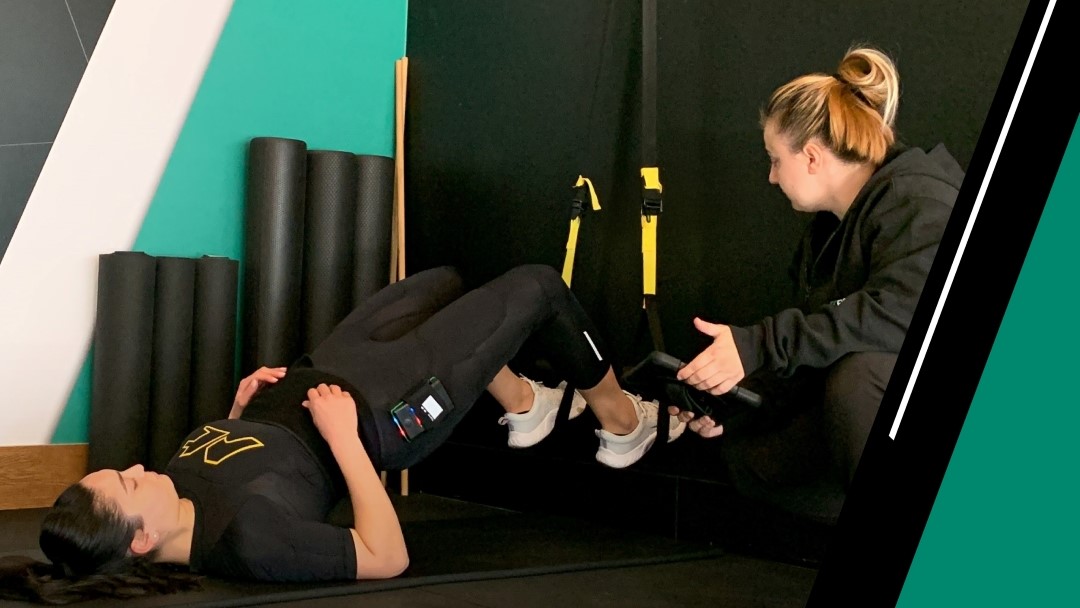
Here’s the deal: you show up and step into a full-body wireless suit lined with electrodes that sit right on your major muscle groups-think quads, glutes, core, back, chest, arms. A qualified trainer (never going solo here) adjusts a machine that sends precise electrical impulses through the suit. These pulses copy exactly what your brain naturally signals to your muscles during movement, but they crank it up-making fibres contract much deeper, stronger, and more completely than you could manage voluntarily.
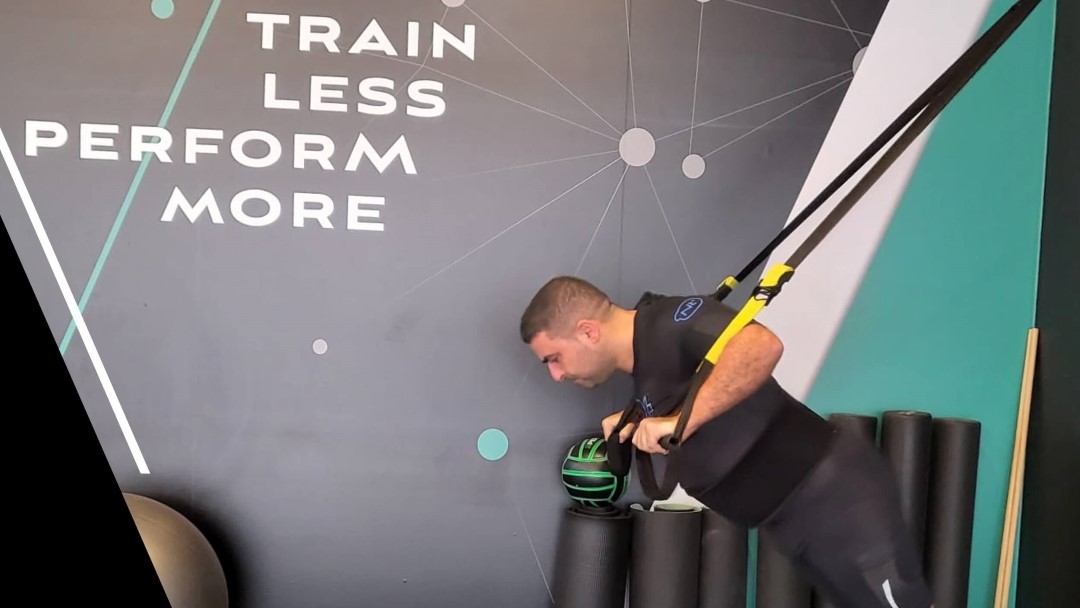
In Australia, these sessions stick to a tight format: 20 minutes of dynamic exercises (squatting, lunging, pressing) while the EMS kicks in. It’s always one-on-one with a trainer who watches your form and dials intensity based on how you’re feeling that day. What makes it special? Regular workouts might hit 40-60% of your muscle fibres; EMS gets 90-95%, including those deep stabilisers that support your spine and joints but are tough to target otherwise. No wonder it leaves you feeling worked but not wrecked-perfect for our go-go lifestyles where time is gold.
I’ve tried it myself after a mate raved about it post-knee injury. The suit buzzes in waves synced to your moves, and suddenly you’re engaging muscles you didn’t know were slacking. Science backs it too-studies from German sports institutes (where EMS started) show it matches hours of conventional training in muscle activation.
Building Strength Without the Gym Grind
People don’t just do EMS for the novelty; they stick with it because the strength and tone gains show up fast and stay. Traditional training relies on you pushing weights to failure, but EMS recruits way more muscle fibres right away-especially fast-twitch ones for power and the slow-twitch for endurance. It also wakes up those stabilising muscles around your shoulders, hips, and core that prevent injuries and give you that athletic posture.
Say you’re a desk jockey wanting defined arms and a firmer midsection without bulking up huge. EMS nails it by improving neuromuscular coordination-basically teaching your brain to fire muscles more efficiently. After 6-8 sessions, clothes fit differently, you stand taller, and daily stuff like carrying groceries feels easier. It’s not magic; it’s efficient overload without the joint pounding. Gym rats love it too for breaking plateaus-adding EMS once a week supercharges recovery and pushes PRs.
One client story I heard: a 45-year-old tradie who’d lost muscle tone after shoulder surgery. Six weeks of EMS, and he was back swinging hammers stronger than before, no heavy benching required.
EMS vs Regular Gym Sessions: The Honest Breakdown
Let’s get real about gym life. You rock up, warm up, hit weights or machines through voluntary contractions, cool down-90 minutes later you’re done, maybe sore for days. It builds muscle, sure, but long sessions mean inconsistent attendance, and heavy loads risk tweaks if form slips.
EMS changes the game. Those electrical impulses hit dozens of muscles simultaneously while you do basic functional moves-no isolating tiny body parts for hours. Joint stress drops 70% since you’re not grinding under massive weights; the suit does the heavy lifting. One session equals 2-4 gym days for full-body activation. Time-crunched Aussies use it to maintain fitness during travel or family chaos. Injury-prone? Physios pair it with rehab. Gym-shy? No crowded mirrors or grunting-just you, a trainer, and results.
Downsides? It’s pricier per session (though fewer needed), and not ideal solo at home. But for efficiency? Unbeatable. I know cyclists who swapped leg day for EMS and shaved minutes off 40K times.
Who Actually Gets Something Out of EMS?
EMS isn’t just for fitness freaks-it’s versatile as hell:
- Busy professionals: Lunchtime sessions beat skipping workouts entirely
- Beginners: Low-impact entry to strength training, builds confidence fast
- Athletes: Boosts power output and cuts recovery time (runners, footy players swear by it)
- Seniors: Maintains bone density and balance without fall risks
- Post-injury returners: Gradual ramp-up under guidance rebuilds safely
- Mums post-baby: Core reconnection without high-impact bouncing
Trainers personalise everything-pulse strength, exercise variations, even session focus (strength day vs recovery mode). A netballer might hit glutes and explosiveness; a corporate exec targets posture and energy. No fitness level too low or high-just tell them your story.
How Often Do You Realistically Need to Train?
EMS packs such a punch that daily isn’t smart-your muscles need 48-72 hours to repair and supercompensate. Standard plan: 1-2 full sessions weekly for most goals. Ramp to 20-min maintenance every 10 days once you’re dialled in. Heavy training weeks? Swap one gym day for EMS recovery mode (lower intensity, focuses on flushing lactic acid).
Listen to your body-delayed soreness means dial back. Elite users cap at 1.5 sessions/week year-round. Consistency beats intensity; missing a week won’t tank progress if you’re eating and sleeping right. Providers track your feedback to avoid overkill.
What You Notice After Sticking With It
Stick 8-12 weeks and patterns emerge:
- Muscle definition: Clothes tighter in good ways, mirrors don’t lie
- Functional strength: Stairs, sports, playtime with kids-effortless
- Endurance boost: Cardio feels easier as muscles work more efficiently
- Faster recovery: Less DOMS, back to baseline quicker post-other workouts
- Injury resilience: Stronger stabilisers mean fewer tweaks
- Mental win: Time efficiency kills procrastination guilt
It’s cumulative-week 4 you feel it, week 12 you see it. Posture improves, energy steadies, sleep deepens. Not overnight abs, but sustainable shifts that stick.
Making EMS Work for You with 20PerFit
20PerFit stands out by going mobile-they roll up to your home, park, or office across Australia with portable gear. No contracts, no studio commutes. Your trainer crafts plans around your week-performance for weekend sports, gentle for desk hunch, recovery for marathon prep. Apps track progress, nutrition tips slot in. It’s fitness that flexes around life, not the other way round. Give it a go; worst case, you’ve had a solid 20-minute sweat.
Call us on 1300 202 073 to book your first session.